
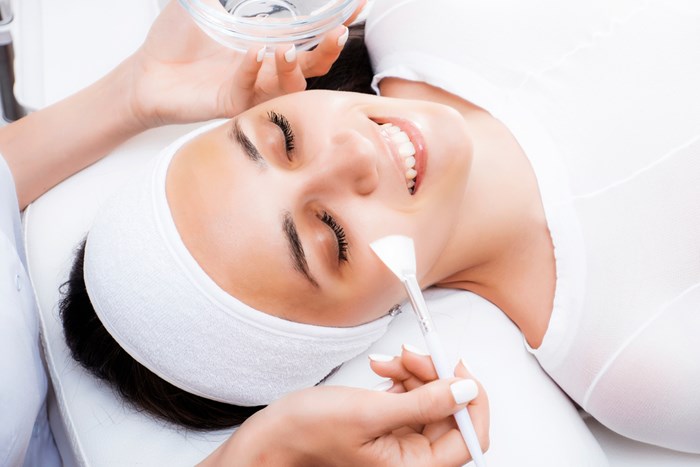
A chemical peel for the face is a procedure in which a chemical solution is applied to the skin to remove damaged skin cells, treat wrinkles, and correct scars and sunspot discolorations.
Chemical peels contain different types of acids that penetrate the skin to varying depths. There are many options depending on your needs and skin sensitivity.
What do you need to do to prepare for a chemical peel?
After choosing a reputable board-certified plastic surgeon or dermatologist, the first step is to schedule a pre-procedure consultation to discuss your reasons for a chemical peel and your treatment expectations. Your health history and medications will be reviewed to ensure you are a suitable candidate for the procedure.
This review includes screening for a history of diabetes, nutritional deficiency, photosensitivity, abnormal scarring, prior radiation, recent facial surgery, skin conditions, use of isotretinoin or oral contraceptives, smoking status, pregnancy status, and amount of daily sun exposure. These factors can increase the risk of complications.
Next, a physical exam of the skin is performed to assess skin thickness, health, and condition. Photographs may be taken to document the pre-procedure skin condition.
During the 2-4 weeks before your scheduled chemical peel, a set of preparation activities is performed to optimize treatment efficacy, called “priming.” UV exposure should be limited, and a broad-spectrum sunscreen with an SPF of 50+ should be applied every morning. Certain creams containing tretinoin, hydroquinone, glycolic acid, or salicylic acid may be prescribed.
Lastly, waxing and dermabrasion of the face should be avoided. The goal of these activities and recommendations is to thin the skin’s top layer, enhance penetration of the chemical peel, accelerate healing, and reduce the risk of complications such as hyperpigmentation and scarring.
The day before your procedure, wash your face with non-residue soap. Moisturizers and make-up should be avoided.
What should you expect during the procedure?
Chemical peeling is done in a dedicated office room with appropriate lighting and ventilation. You will lie supine, with your eyes closed for the procedure, wearing appropriate eye protection.
A neutral paste may be applied around your eyes, nose, and mouth to prevent the chemical peeling solution from pooling there. For deeper peels, a relaxing or pain medication may be given right before the procedure.
The application method may be different depending on the chosen peeling agent. Liquid solutions may be applied with a brush, a cotton-tipped applicator, or a gauze swab. For gels, usually, a wooden or plastic spatula is used. The peeling agent is first applied to areas with thicker skin, such as the forehead, cheeks, nose, and chin. It is then spread to the other areas of the face using firm, even strokes in the same direction.
You may feel some mild tenderness while the chemical peel is on your skin. After the procedure, a neutralizing wash or a cool compress may be applied to the face.