
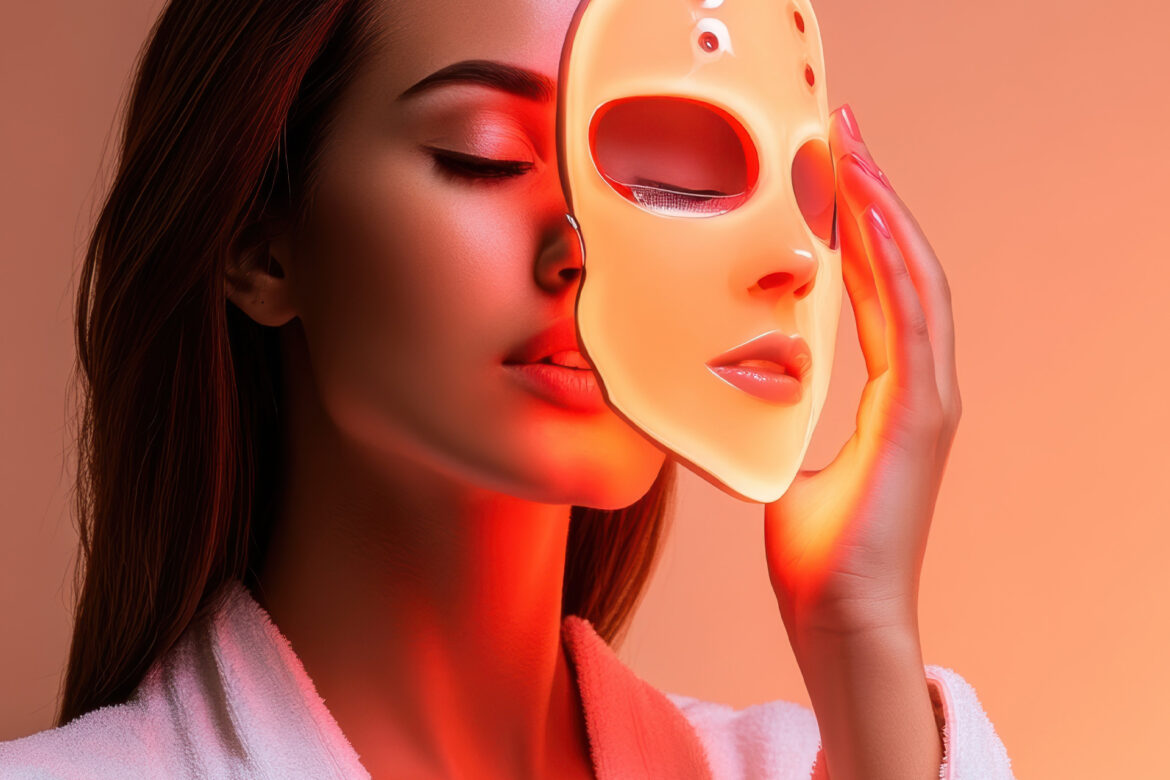
LED (light-emitting diode) light therapy treats various skin conditions and concerns, such as acne, fine lines, and psoriasis. It comes in different types, including red and blue light LED therapy, which are sometimes used together.
Overview
What is LED light therapy?
LED (light-emitting diode) light therapy is a non-invasive treatment that penetrates the skin’s layers to improve the skin’s appearance. In the 1990s, NASA began studying the effects of LEDs on promoting wound healing in astronauts by helping cells and tissues grow.
In the 1990s, NASA began studying the effects of LEDs on promoting wound healing in astronauts by helping cells and tissues grow.
Today, dermatologists and estheticians commonly use LED light therapy to treat a range of skin issues. Skin specialists often use LED light therapy alongside other treatments, such as creams, ointments, and facials, to help you achieve the best results.
You can also buy an array of at-home devices that use LED light therapy, including LED masks.
What does LED light therapy do?
LED light therapy helps treat a variety of skin concerns and conditions, including:
- Eczema.
- Hair loss.
- Mild to moderate acne.
- Psoriasis.
- Rough, scaly, precancerous spots on the skin (actinic keratosis).
- Rosacea.
- Sun damage.
- Wounds.
- Wrinkles.
In some cases, LED light therapy may treat small and superficial basal cell carcinoma (BCC). BCC, a skin cancer, is the most common type of cancer, affecting about 3.6 million Americans each year.