
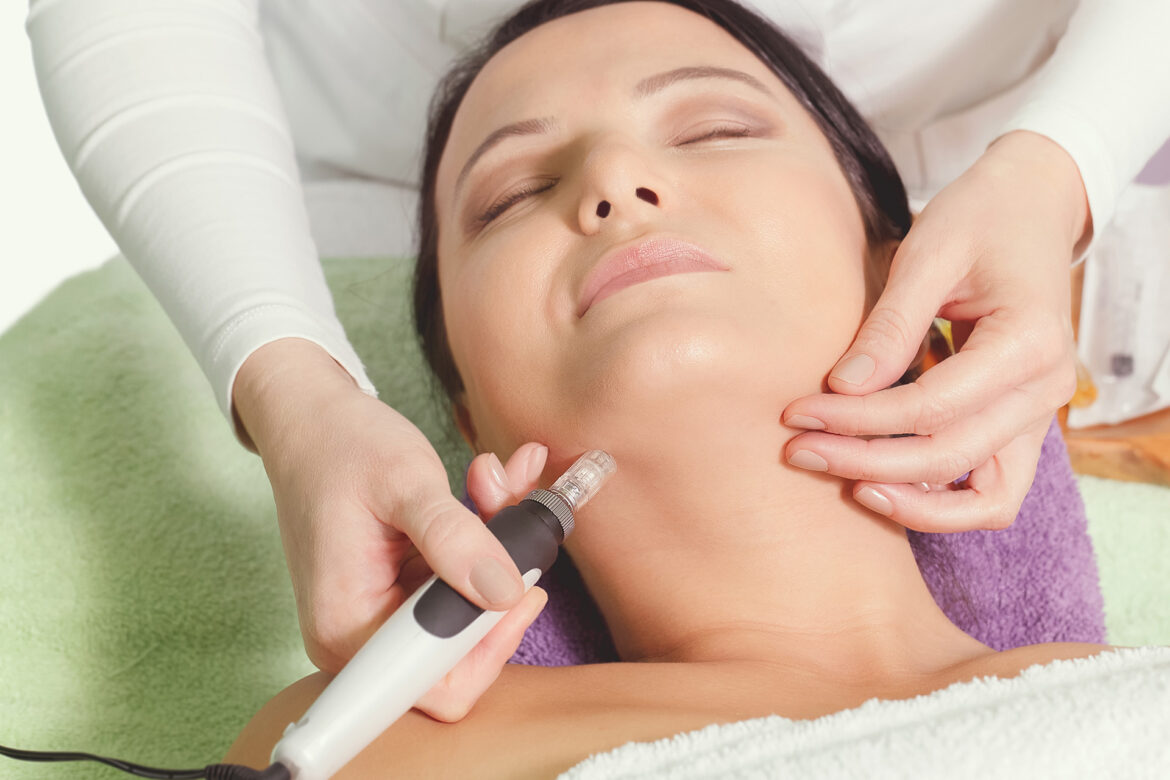
Microneedling is a medical procedure that has become increasingly popular in recent years. It involves using a device with small needles to puncture the skin, creating tiny injuries that stimulate collagen production and encourage natural healing. This article will explore the science behind microneedling, including its mechanism of action, potential benefits, and associated risks.
The scientific basis for microneedling lies in its ability to create controlled cellular damage while stimulating regenerative processes in the body. This process can reduce signs of aging by reducing wrinkles and fine lines, improving acne- and other condition-related scarring, evening skin tone, reducing pore size, brightening dull areas, and more. Beyond these cosmetic effects, there are many potential health benefits. With careful consideration of side effects and contraindications, microneedling may offer an effective solution to address various aesthetic concerns individuals face today.
Mechanism Of Action
Microneedling, a popular aesthetic procedure for facial rejuvenation and skin health, has rapidly gained attention from the medical community due to its potential efficacy. This minimally invasive technique involves creating tiny punctures in the skin’s epidermis using wonderful needles that stimulate cellular activity by prompting an influx of collagen production. This process may ultimately lead to improved appearance and texture in treated areas.
At first glance, it seems almost too good to be true—so few micro-injuries could generate such profound results on the skin’s complexion. Research on microneedling suggests that these small perforations can cause distinct changes in the dermis that benefit overall facial aesthetics when administered correctly. The physical effects of introducing these minute injuries trigger a rapid response from cells throughout the area responsible for wound healing and tissue repair.
This biological cascade activates fibroblasts, increasing the synthesis of elastin and collagen fibers – two essential components of youthful-looking skin. These substances act as anchors between other connective tissues, such as blood vessels and muscles, allowing them to become better organized around each other while providing better support beneath the epidermis. In short, proper microneedling encourages cellular stimulation at multiple levels, potentially resulting in smoother and more toned skin with fewer signs of aging or scarring.